

DEPARTMENT OF FIQH USUL AND APPLIED SCIENCES
The Department of Fiqh-Usul and Applied Sciences at the Academy of Islamic Studies, Universiti Malaya (APIUM), brings together expertise in Islamic jurisprudence, Islamic astronomy, and the integration of Islamic studies with modern sciences. The department builds upon the Department of Fiqh and Usul, established in 1996, and the Applied Science with Islamic Studies Programme (SGPI), introduced in 2002. Following the incorporation of SGPI into the department, it was renamed the Department of Fiqh-Usul and Applied Sciences to reflect its expanded academic scope. This integration strengthens the department’s capacity to connect Islamic scholarly traditions with scientific knowledge and contemporary applications through interdisciplinary teaching, learning, and research.
The department offers undergraduate and postgraduate education encompassing Fiqh and Usul, Islamic astronomy, and Islamic studies integrated with science and information technology. Its undergraduate programmes include the Bachelor of Shariah, the Bachelor of Islamic Studies and Science, and the Bachelor of Islamic Studies and Information Technology. The Bachelor of Shariah provides a broad foundation in Shariah disciplines before allowing students to develop their interests through specialised electives in Fiqh and Usul. The Bachelor of Islamic Studies and Science combines Islamic studies with specialisations in Biology, Applied Chemistry, Environmental Science, or Physics. The department’s educational pathway also encompasses the Foundation in Islamic Studies and Science (APIdS), which offers Life Sciences and Physical Science streams. At the postgraduate level, programmes include the Master of Shariah (Contemporary Studies) by mixed mode, the Master of Shariah and Master of Islamic Studies by research, and the Doctor of Philosophy by research.
The department’s teaching and research cover a broad range of interconnected fields, including Islamic jurisprudence, principles of Islamic jurisprudence, Islamic worship, muamalat, family law, Islamic wealth management, halal studies, and Islamic astronomy. Its interdisciplinary expertise also extends to Islamic bioethics, Islam and the environment, the history of Islamic science, and agricultural science. These areas provide opportunities to examine contemporary issues through both Shariah scholarship and scientific inquiry, while enabling students to develop skills in textual analysis, laboratory research, and fieldwork.
To support its interdisciplinary programmes, the department collaborates with the Centre for Foundation Studies in Science (PASUM), the Faculty of Science, the Faculty of Computer Science and Information Technology, and the Faculty of Languages and Linguistics at Universiti Malaya. These collaborations enrich students’ learning experiences and strengthen the connections between Islamic studies, scientific disciplines, and practical applications. Through its integrated academic approach, the department aims to produce graduates with strong foundations in Islamic knowledge, critical thinking, research competence, and the ability to respond to contemporary societal needs.
Graduates are equipped to pursue careers in Islamic religious administration, halal industries, Islamic banking and takaful, Islamic legal services, Hajj and umrah management, consultancy, publishing, education, and research. Those specialising in Islamic astronomy may pursue opportunities in mufti departments, observatories, and related research institutions, while graduates in Islamic studies and science or information technology may contribute to scientific, technological, environmental, and halal-related sectors. By bringing together Fiqh, Usul, and applied sciences, the department continues its scholarly legacy while expanding its contribution to knowledge and community development.

Assoc. Prof. Dr. Muhammad Ikhlas bin Rosele
Tel: +603-7967 6011
ikhlas@um.edu.my

Dr. Raihan binti Ismil (Coordinator)
Tel: +603 7967 6193
raihan.i@um.edu.my
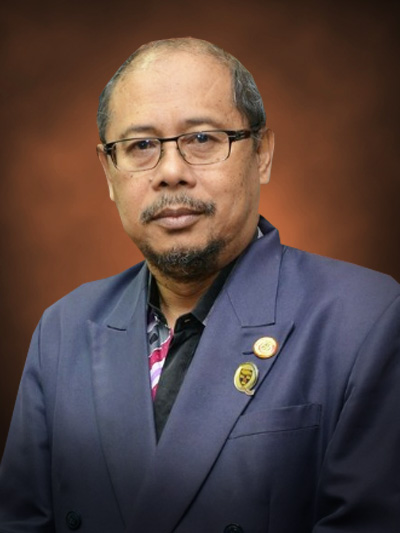
Profesor Emeritus Dato' Dr. Mohd Zambri Bin Zainuddin
Tel: +603 7967 6193
mzz1@um.edu.my

Professor Datin Dr. Noor Naemah binti Abdul Rahman
Tel: +603 7967 6029
naemah@um.edu.my

Professor Dr. Sa'adan bin Man
Tel: +603 7967 6027
saadan@um.edu.my

Professor Datuk Dr. Luqman bin Hj Abdullah
Tel: +603 7967 6115
luqmanabdullah@um.edu.my

Assoc. Prof. Dr. Mohd Saiful Anwar bin Mohd Nawawi
Tel: +603 7967 6011
saifulanwar@um.edu.my

Assoc. Prof. Dr. Mohd Anuar bin Ramli
Tel: +603 7967 6037
mohdanuar@um.edu.my

Assoc. Prof. Dr. Nor Fahimah binti Mohd Razif
Tel: +603 79676035
norfahimah@um.edu.my
Assoc. Prof. Dr. Muhammad Ikhlas bin Rosele
Tel: +603 7967 6027
ikhlas@um.edu.my

Dr. Syed Mohd Jeffri bin Syed Jaafar
Tel: +603 79672605
syedjeffri89@um.edu.my

Dr. Abdul Halim bin Ibrahim
Tel: +603 7967 6193
ahalim_ibrahim@um.edu.my<

Dr. Ridzwan bin Ahmad
Tel: +603 7967 6028
ridzwan@um.edu.my

Dr. Bahiyah binti Ahmad
Tel: +603 79676246
bahiyah_api@um.edu.my

Dr. Nurulhuda binti Ahmad Zaki
Tel: +603 79676038
zafran@um.edu.my

Dr. Muhammad Safwan bin Harun
Tel: +603 7967 6011
safone_15@um.edu.my

Dr. Norhidayah binti Pauzi
Tel: +603 79672609
da_my85@um.edu.my

Dr. Ameen Ahmed Abdullah Qasem Al-Nahari
Tel: +603 79676024
alnahari1977@um.edu.my

Dr. Shahidra binti Abdul Khalil
Tel: +603 79676246
shahidra@um.edu.my

Dr. Mohd Hafiz bin Mohd Saadon (Coordinator)
Tel: +603 79672609
mhms@um.edu.my
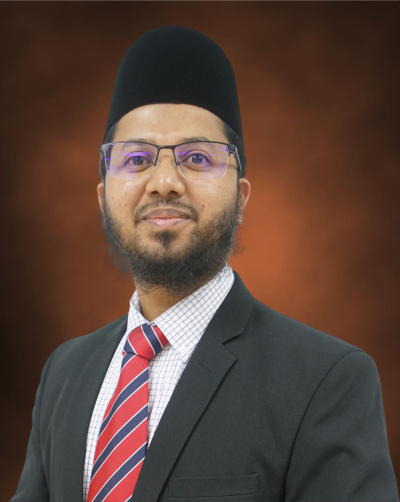
Dr. Abdul Muneem
Tel: +603 7967 6193
muneem@um.edu.my

Dr. Raihana binti Abdul Wahab
Tel: +603 79676011
raihanawahab@um.edu.my

Dr. Mohammaddin bin Abdul Niri
Tel:+603 79676011
mohammaddin@um.edu.my

Dr. Ariyanti binti Mustapha
Tel: -03 7967 6011
ariyanti@um.edu.my

Dr. Madiha binti Baharuddin
Tel: +603 7967 6193
madiha@um.edu.my

Dr. Siti Patonah binti Mohamad
Tel:+603 7967 6193
sitipatonah@um.edu.my

Dr. Fatin Nur Majdina binti Nordin
Tel:+603 7967 6193
fatinmajdina@um.edu.my

Dr. Asmawati binti Muhamad
Tel: +603-7967 6012
asmawatimuhamad@um.edu.my
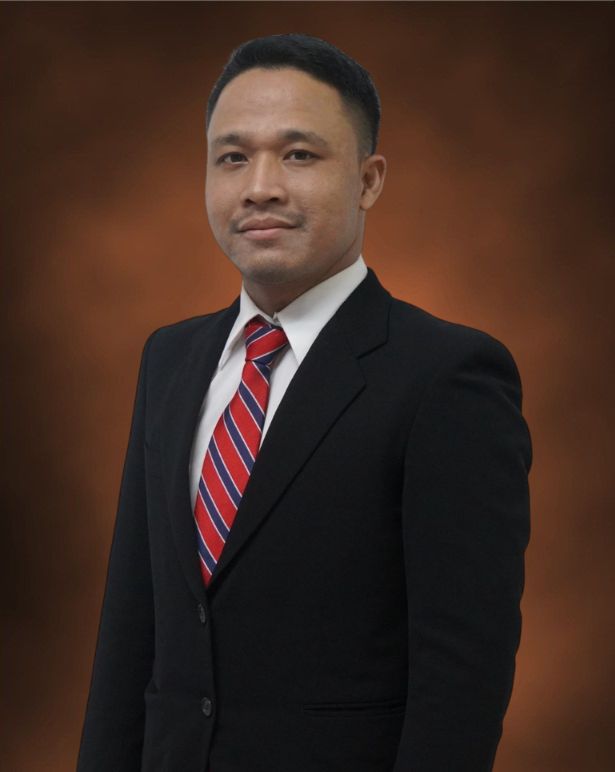
Dr. Saiful Islam bin Nor Mohd Zulkarnain
Tel: +603 7967 6012
saifulislam@um.edu.my

Dr. Muhammad Ridzuan bin Hashim
Tel: +603 7967 6012
readz@um.edu.my

Mrs. Nor Zuhaila binti Mohamad Nor
Tel: +603 7967 6193
nzuhailamn@um.edu.my
Last Update: 17/11/2026